Auto
BMVX4: Complete Guide to BMVX4 Features, Benefits, Applications, and Future Potential

BMVX4 is gaining attention across industries as organizations continue searching for advanced technologies that improve efficiency, performance, scalability, and digital transformation. Whether you are researching BMVX4 for business, technology, industrial automation, or future innovation, understanding its capabilities helps you make informed decisions.
In this comprehensive guide, we explore everything about BMVX4, including its key features, practical applications, advantages, implementation strategies, challenges, and future opportunities. Our goal is to provide an in-depth resource that answers every important question while offering valuable insights for professionals, researchers, businesses, and technology enthusiasts.
What Is BMVX4?
BMVX4 represents a modern solution designed to enhance operational performance through advanced functionality, intelligent automation, and scalable architecture. Although implementations may vary depending on the industry, the core objective of BMVX4 remains consistent: delivering improved productivity while reducing operational complexity.
Modern organizations increasingly rely on solutions like BMVX4 because they support digital transformation initiatives, streamline workflows, improve decision-making, and enable long-term growth. Whether integrated into enterprise systems, industrial environments, research projects, or specialized platforms, BMVX4 offers a flexible framework capable of adapting to changing business requirements.
Unlike traditional systems that often struggle with scalability and modernization, BMVX4 focuses on flexibility, efficiency, security, and continuous innovation.
Key Features of BMVX4
One of the primary reasons behind the growing interest in BMVX4 is its extensive feature set. These capabilities allow organizations to maximize performance while minimizing unnecessary complexity.
Advanced Performance Optimization
BMVX4 is engineered to process workloads efficiently, reducing latency while improving system responsiveness. This optimization ensures smoother operations across multiple environments.
Scalable Architecture
Organizations evolve over time, and their technology must grow accordingly. BMVX4 supports scalable deployments that expand without requiring complete infrastructure redesigns.
Automation Capabilities
Automation remains one of the strongest advantages of BMVX4. Routine processes can be executed automatically, reducing manual intervention and improving consistency.
High Security Standards
Security has become essential in today’s digital environment. BMVX4 incorporates multiple security mechanisms that help protect sensitive information and maintain system integrity.
Integration Support
Most businesses already operate numerous software solutions. BMVX4 provides compatibility with existing platforms, allowing seamless integration across different technologies.
Reliable Data Processing
Efficient data management enables organizations to make informed decisions faster. BMVX4 processes information accurately while maintaining system reliability.
Major Benefits of Using BMVX4
Organizations adopting BMVX4 often experience measurable improvements in efficiency, cost management, and operational performance.
Improved Productivity
Automation and streamlined workflows allow employees to focus on strategic activities instead of repetitive tasks.
Reduced Operational Costs
Efficient resource utilization minimizes waste while lowering maintenance expenses over time.
Better Decision Making
Real-time information enables management teams to make accurate decisions based on current operational data.
Enhanced Scalability
Growing organizations benefit from infrastructure capable of expanding without significant disruptions.
Increased Reliability
Stable system performance reduces downtime and improves customer satisfaction.
Competitive Advantage
Businesses implementing innovative technologies like BMVX4 often remain ahead of competitors by responding more quickly to changing market demands.
Common Applications of BMVX4 Across Industries
The versatility of BMVX4 allows it to support multiple industries and operational environments.
Manufacturing
Manufacturers use BMVX4 to improve production efficiency, monitor equipment performance, automate processes, and reduce operational downtime.
Healthcare
Healthcare providers benefit from improved data management, workflow optimization, secure information handling, and operational efficiency.
Financial Services
Banks and financial institutions require secure, reliable, and scalable technology. BMVX4 supports transaction processing, risk management, and data analysis.
Education
Educational institutions leverage BMVX4 to enhance administrative operations, digital learning platforms, and research capabilities.
Retail
Retail companies utilize BMVX4 for inventory management, customer analytics, operational automation, and supply chain optimization.
Logistics
Transportation and logistics organizations improve shipment tracking, route optimization, warehouse management, and delivery performance through BMVX4.
Research and Development
Research organizations appreciate the flexibility and computational capabilities that BMVX4 offers when managing complex projects and large datasets.
How to Successfully Implement BMVX4
Successful implementation requires careful planning rather than immediate deployment.
Evaluate Business Requirements
We begin by identifying organizational objectives, operational challenges, and expected outcomes.
Assess Existing Infrastructure
Current hardware, software, and network capabilities should be reviewed to ensure compatibility.
Develop an Implementation Strategy
A phased deployment minimizes disruption while allowing continuous evaluation during implementation.
Train Employees
Proper training enables staff members to fully utilize BMVX4 capabilities while reducing implementation resistance.
Monitor Performance
Continuous monitoring identifies optimization opportunities and ensures expected performance levels are maintained.
Maintain Regular Updates
Routine maintenance and updates help preserve security, stability, and long-term reliability.
Challenges Organizations May Face with BMVX4
While BMVX4 offers significant advantages, organizations should also prepare for potential implementation challenges.
Initial Investment
Advanced technology often requires upfront investment in infrastructure, deployment, and training.
Learning Curve
Employees may require time to become familiar with new systems and operational processes.
Integration Complexity
Existing legacy systems sometimes require additional customization during integration.
Change Management
Successful implementation depends on organizational readiness and employee adoption.
Security Management
Although BMVX4 supports strong security features, organizations must continue following cybersecurity best practices.
Continuous Optimization
Technology evolves rapidly, requiring ongoing monitoring and optimization to maintain peak performance.
Best Practices for Maximizing BMVX4 Performance
Organizations achieve the greatest value from BMVX4 by following proven operational practices.
Create Clear Objectives
Clearly defined goals improve implementation success and simplify performance evaluation.
Maintain Regular System Updates
Updated software provides improved functionality, enhanced security, and better compatibility.
Perform Routine Backups
Reliable backup procedures reduce risks associated with unexpected system failures.
Analyze Performance Metrics
Continuous performance analysis identifies optimization opportunities before problems develop.
Invest in Employee Training
Well-trained teams utilize advanced features more effectively, maximizing return on investment.
Strengthen Security Policies
Comprehensive security policies help protect valuable organizational information.
Encourage Continuous Improvement
Organizations should regularly evaluate workflows and refine operational processes using insights generated through BMVX4.
The Future of BMVX4
The future of BMVX4 appears highly promising as businesses increasingly embrace digital transformation. Emerging technologies such as artificial intelligence, machine learning, cloud computing, edge computing, and advanced analytics continue expanding the potential capabilities of BMVX4.
Future developments may include:
- Smarter automation
- Predictive analytics
- Improved cloud integration
- Enhanced cybersecurity
- Real-time intelligent decision support
- Greater interoperability
- Lower infrastructure costs
- Expanded enterprise scalability
- Energy-efficient processing
- Improved user experience
As organizations demand more intelligent systems capable of adapting automatically to changing environments, BMVX4 is expected to continue evolving into a more powerful and versatile solution.
Why BMVX4 Is Becoming Increasingly Important
Modern organizations face growing pressure to improve efficiency while reducing operational expenses. Digital transformation is no longer optional—it has become essential for long-term competitiveness.
BMVX4 addresses many of today’s operational challenges by combining scalability, automation, reliability, security, and flexibility into a comprehensive solution. Businesses implementing innovative technologies can improve customer satisfaction, accelerate decision-making, optimize resource allocation, and create sustainable competitive advantages.
Whether supporting enterprise operations, industrial automation, research initiatives, or technology modernization, BMVX4 provides organizations with a foundation capable of adapting to future demands.
Conclusion
BMVX4 represents an innovative approach to improving operational efficiency, scalability, automation, and digital transformation across multiple industries. Its extensive feature set, strong security capabilities, flexible architecture, and broad application potential make it an attractive solution for organizations seeking long-term technological growth.
As technology continues evolving, businesses that strategically implement BMVX4 will be better positioned to enhance productivity, reduce operational costs, improve decision-making, and remain competitive in increasingly dynamic markets. By following best implementation practices and continuously optimizing system performance, organizations can unlock the full potential of BMVX4 and prepare confidently for future innovation.
Frequently Asked Questions (FAQs)
What is BMVX4?
BMVX4 is a modern technology solution designed to improve operational efficiency, scalability, automation, and system performance across various industries.
What are the main benefits of BMVX4?
The primary benefits include improved productivity, enhanced security, better scalability, automation, lower operational costs, and more reliable performance.
Which industries can use BMVX4?
BMVX4 can be applied in manufacturing, healthcare, finance, education, retail, logistics, research, and many other sectors requiring efficient digital operations.
Is BMVX4 suitable for growing businesses?
Yes. Its scalable architecture allows businesses to expand operations without major infrastructure changes.
Does BMVX4 support automation?
Yes. Automation is one of its core strengths, helping organizations reduce manual work, improve consistency, and increase efficiency.
How can organizations maximize the value of BMVX4?
Organizations should establish clear objectives, provide employee training, monitor performance, maintain regular updates, strengthen cybersecurity practices, and continuously optimize workflows.

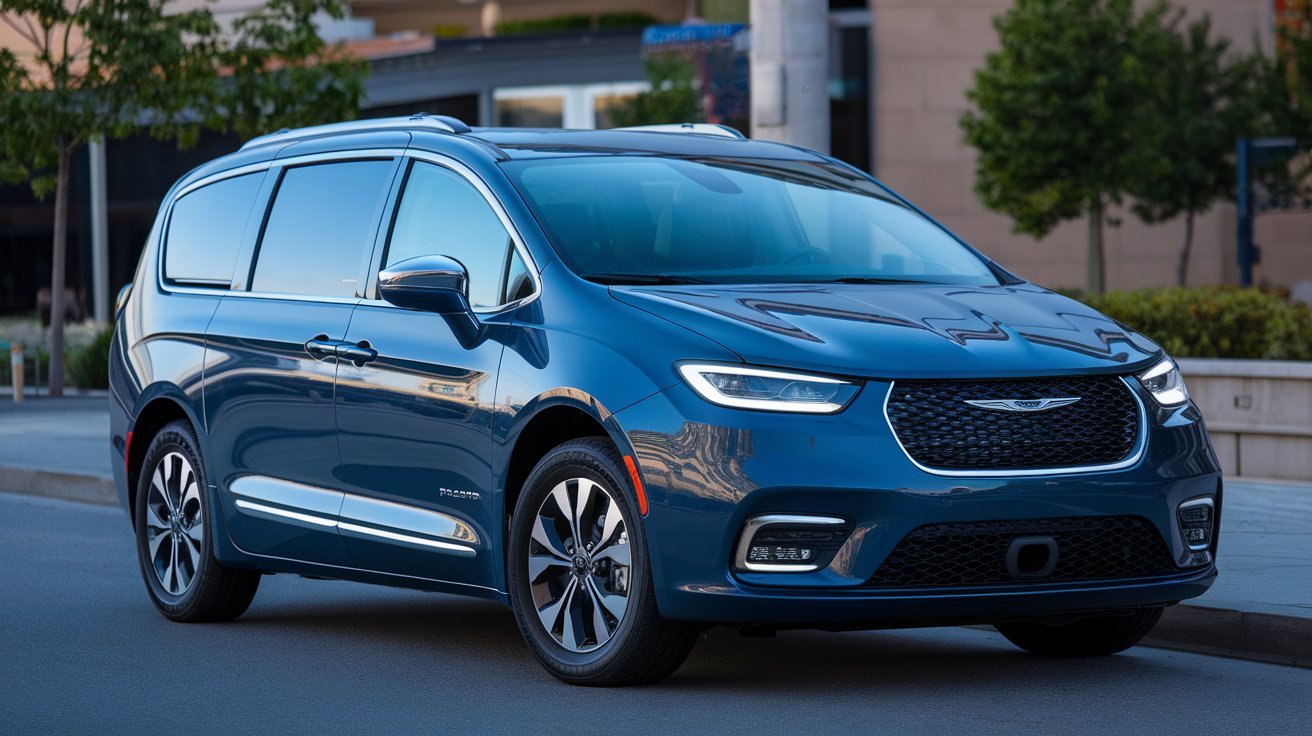
The 2025 Chrysler Pacifica Hybrid combines the space and practicality of a family minivan with plug-in hybrid technology. Designed for families who want room for passengers while reducing fuel consumption on shorter trips, the Pacifica Hybrid offers electric driving capability alongside the flexibility of a gasoline engine.
Unlike a conventional hybrid, the 2025 Chrysler Pacifica Hybrid is a plug-in hybrid electric vehicle (PHEV). This means its battery can be charged externally, allowing the vehicle to travel on electricity before the gasoline engine is needed. Chrysler and U.S. government vehicle data list approximately 32 miles of all-electric range, an estimated 520 miles of total range, and 82 MPGe under the applicable manufacturer and vehicle data.
For families considering a spacious electrified vehicle, the 2025 Pacifica Hybrid brings together seven-passenger seating, advanced technology, safety features, flexible cargo space, and plug-in efficiency. This complete guide explores what makes the 2025 Chrysler Pacifica Hybrid stand out.
What Is the 2025 Chrysler Pacifica Hybrid?
The 2025 Chrysler Pacifica Hybrid is a plug-in hybrid minivan that combines a 3.6-liter V6 engine with an electric motor and rechargeable battery system. It is designed to provide electric-only driving for many shorter trips while retaining gasoline power for longer journeys.
The major advantage of a plug-in hybrid system is flexibility.
We can charge the battery and use electricity for shorter daily driving when conditions allow. When the battery’s usable electric range is depleted, the Pacifica Hybrid can continue operating with its gasoline-powered hybrid system rather than requiring an immediate charging stop.
According to U.S. Department of Energy alternative fuel data for the 2025 model, the Pacifica Hybrid features:
- Plug-in hybrid electric powertrain
- Front-wheel drive
- Seven seats
- 3.6-liter V6 engine
- 89 kW electric motor
- 16.9 kWh battery capacity
- 32 miles of electric-only range
- 520 miles of total range
- 82 MPGe combined
- 30 mpg combined using gasoline
This combination makes the Pacifica Hybrid particularly interesting for families whose daily travel includes school runs, commuting, shopping, and other shorter journeys but who also need a vehicle capable of handling longer trips.
2025 Chrysler Pacifica Hybrid Electric Range and Efficiency
One of the biggest reasons to consider the 2025 Chrysler Pacifica Hybrid is its electric driving capability.
Chrysler describes the 2025 model as offering an estimated 32 miles of all-electric driving range before switching to gasoline power when additional energy is needed. With a full battery and gasoline tank, Chrysler lists a total driving range of up to 520 miles.
For many households, 32 miles of electric range may cover a significant portion of daily driving.
For example, a typical day might include:
- Taking children to school
- Driving to work
- Running local errands
- Visiting family members
- Going to the grocery store
- Completing short city journeys
If we have convenient access to charging and regularly complete shorter trips, the plug-in system can reduce how often gasoline is used.
The 2025 Pacifica Hybrid is also listed with an estimated 82 MPGe combined. MPGe, or miles per gallon equivalent, is a measurement used to compare the energy consumption of electrified vehicles with traditional gasoline vehicles. The model is also listed with a conventional gasoline combined fuel economy figure of 30 mpg.
Actual range and efficiency can vary based on temperature, driving style, traffic, terrain, passenger load, battery condition, and climate-control use.
Plug-In Hybrid Charging and Battery System
Charging is an important part of owning a 2025 Chrysler Pacifica Hybrid.
The vehicle can be charged from a standard household outlet or through faster Level 2 charging equipment. Official Chrysler material explains that plug-in hybrid technology allows drivers to charge the battery externally while regenerative braking also helps recover energy during driving.
The 2025 model is listed with a 16.9 kWh battery capacity and a Level 2 charging rate of 6.6 kW.
A Level 2 charger can be particularly useful for families who want to recharge the Pacifica Hybrid more quickly between daily trips.
Before purchasing, we should consider our charging situation:
Do we have access to home charging?
Can we install a Level 2 charger?
How many miles do we drive each day?
Can we regularly recharge overnight?
The answers can significantly affect how much value we receive from the plug-in hybrid system.
One of the major benefits of the Pacifica Hybrid is that charging access is useful but long-distance driving does not depend entirely on public charging infrastructure. Once electric power is reduced, the hybrid system can use the gasoline engine for continued travel.
Interior Space and Seven-Passenger Seating
A family vehicle must offer more than efficient performance. It also needs enough room for passengers, bags, equipment, and everyday life.
The 2025 Chrysler Pacifica Hybrid provides seating for up to seven passengers. Chrysler highlights multiple seating configurations, generous interior space, and third-row Stow ‘n Go seating and storage.
According to the 2025 fleet specifications, interior dimensions include approximately:
- 41.1 inches of first-row legroom
- 39 inches of second-row legroom
- 36.5 inches of third-row legroom
- 63.8 inches of first-row shoulder room
- 63 inches of second-row shoulder room
- 61.2 inches of third-row shoulder room
These dimensions help demonstrate why the Pacifica remains focused on family comfort.
The three-row layout can accommodate a variety of situations, including:
- Large families
- Carpools
- Road trips
- Weekend activities
- School transportation
- Airport journeys
- Family vacations
Easy access to the third row is another important consideration. Chrysler describes the second-row seating system as allowing access to the rear seating area through a forward-tilting design.
For buyers comparing SUVs and minivans, this passenger-focused design can be a major advantage.
Technology and Entertainment Features
Modern family vehicles need to keep drivers informed while helping passengers stay connected and entertained.
The 2025 Chrysler Pacifica Hybrid includes a technology-focused cabin with digital displays and Uconnect connectivity features. Chrysler’s 2025 information highlights a customizable digital instrument display and connected features designed to help drivers monitor vehicle and hybrid-system information.
Hybrid-specific information can include:
- Electric driving range
- Hybrid range
- Total estimated range
- Battery charge status
- Charging information
- Driving alerts
Connected technology can be particularly useful for plug-in hybrid owners because it allows us to better understand battery usage and charging needs.
Entertainment is also important for families spending long periods inside the vehicle. Available technology and entertainment features can vary by trim and market, so buyers should verify the equipment included on the exact vehicle they are considering.
Before purchasing, we recommend checking:
Which features are standard?
Which technology requires a higher trim?
Are rear entertainment features available?
What smartphone connectivity is included?
Which connected services require subscriptions?
This approach helps ensure the selected Pacifica Hybrid has the features that matter most to the family.
Safety Features in the 2025 Pacifica Hybrid
Safety remains a major consideration for any family vehicle.
Chrysler states that the 2025 Pacifica Plug-In Hybrid offers more than 115 standard and available safety and security features. Available equipment can vary depending on the trim and vehicle configuration.
Modern driver-assistance and safety technology may help support the driver in a range of everyday situations.
When comparing specific vehicles, buyers should review the exact equipment list for features such as:
- Forward collision assistance
- Blind-spot monitoring
- Parking assistance
- Camera systems
- Lane-related driver assistance
- Adaptive cruise technology
- Rear visibility systems
Safety technology should support attentive driving rather than replace it.
The most useful approach is to understand how each feature operates before relying on it. During a test drive, we should ask the dealership to demonstrate important driver-assistance systems and explain their limitations.
2025 Chrysler Pacifica Hybrid Performance and Driving Experience
The Pacifica Hybrid is designed to balance family comfort with practical performance.
Its plug-in hybrid powertrain automatically manages electric and gasoline power based on driving conditions and available battery energy. Chrysler describes the system as combining electric capability with the power and flexibility needed for longer journeys.
Electric driving can provide a quiet and smooth experience, especially during lower-speed city travel.
The gasoline engine adds flexibility when:
- The electric battery has been depleted
- Additional power is required
- We are traveling long distances
- Charging is not immediately available
The vehicle also uses regenerative braking, which can recover energy while slowing down and help recharge the battery. Chrysler explains that regenerative braking contributes to energy recovery during braking and stopping.
For a family vehicle, ride comfort can be just as important as acceleration. We recommend taking a test drive on both city streets and faster roads to evaluate:
- Steering feel
- Ride quality
- Cabin noise
- Brake response
- Seat comfort
- Visibility
- Passenger space
Is the 2025 Chrysler Pacifica Hybrid Worth Buying?
The 2025 Chrysler Pacifica Hybrid can be an excellent option for buyers who need the practicality of a minivan but want the advantages of plug-in hybrid technology.
Its strongest benefits include:
- Up to 32 miles of electric-only range
- Up to 520 miles of total range
- 82 MPGe combined
- Seven-passenger seating
- Plug-in charging capability
- Flexible three-row interior
- Gasoline backup for longer trips
- Modern technology
- Extensive available safety features
However, the Pacifica Hybrid is likely to provide the greatest benefit to owners who can charge regularly.
If we rarely charge the battery, we may not take full advantage of the plug-in hybrid system. On the other hand, families with convenient home charging and frequent shorter journeys may find the electric range particularly useful.
The best decision depends on daily mileage, family size, charging access, budget, and long-term driving needs.
Final Thoughts on the 2025 Chrysler Pacifica Hybrid
The 2025 Chrysler Pacifica Hybrid offers a distinctive combination of family space, plug-in electric capability, and long-distance flexibility. With an estimated 32 miles of electric-only range, up to 520 miles of total range, seven-passenger seating, and 82 MPGe combined, it provides an alternative for families who want to move toward electrified driving without relying exclusively on battery power.
Its three-row interior, practical cargo flexibility, hybrid technology, and family-focused design make it a strong choice for buyers comparing electrified minivans and large family vehicles.
Before buying, we should compare trims, verify current equipment and pricing, evaluate our home charging options, and take a complete test drive. By matching the 2025 Chrysler Pacifica Hybrid with our everyday driving habits, we can decide whether its combination of electric efficiency and minivan versatility is the right fit for family life.
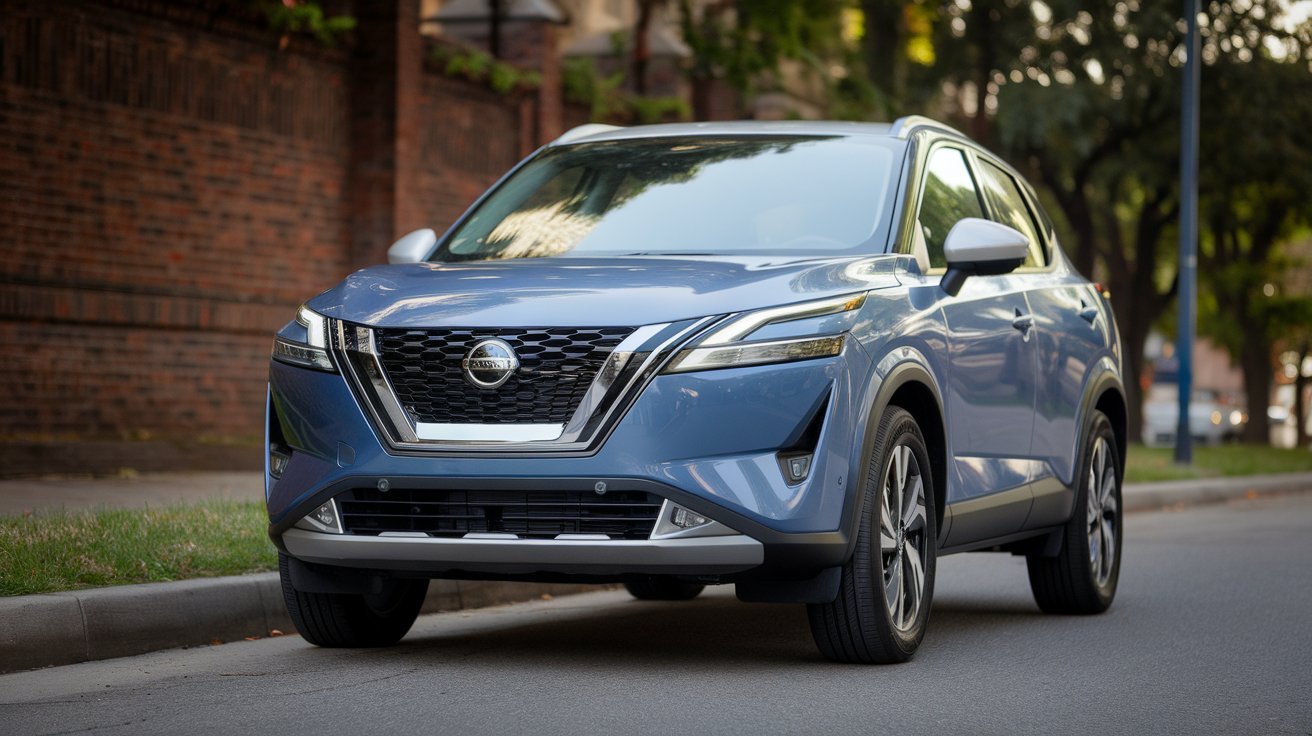
The 2022 Nissan Kicks is a small crossover SUV designed for drivers who want an affordable, efficient, and easy-to-drive vehicle without moving into a larger SUV. With seating for five, a compact exterior, useful cargo space, modern safety technology, and a fuel-efficient four-cylinder engine, the Kicks became one of Nissan’s practical choices for city driving. In 2026, the 2022 model is especially interesting on the used-car market because it offers many features associated with newer vehicles while generally costing considerably less than a new SUV.
The 2022 Kicks was offered in three main trims: S, SV, and SR. Every version used the same 1.6-liter four-cylinder engine, front-wheel drive, and Nissan’s Xtronic continuously variable transmission. The result is not a performance-focused crossover, but rather a vehicle designed around efficiency, maneuverability, practicality, and value.
What Is the 2022 Nissan Kicks?
The 2022 Nissan Kicks belongs to the subcompact crossover class. It is smaller and easier to maneuver than many traditional SUVs, making it particularly suitable for crowded city streets and parking spaces. Nissan positioned the Kicks as a vehicle for people who wanted the higher seating position and versatility of an SUV without paying for unnecessary size or complexity.
Its exterior measures approximately 169.1 inches in length and 63.3 inches in height, giving it a relatively small footprint. Despite its compact dimensions, the cabin provides seating for five passengers, while cargo capacity is approximately 25.3 cubic feet with the seats in place.
The 2022 model also benefits from the Kicks’ distinctive styling. Sharp headlights, sculpted bodywork, a floating-roof appearance, and available two-tone exterior treatments give the crossover a more youthful appearance than many conventional economy vehicles.
For buyers considering one in 2026, the biggest attraction is the combination of compact dimensions, good fuel economy, practical interior space, and relatively modern safety equipment.
2022 Nissan Kicks Engine and Performance
All three 2022 Nissan Kicks trims use a 1.6-liter DOHC four-cylinder gasoline engine. It produces 122 horsepower at 6,300 rpm and 114 lb-ft of torque at 4,000 rpm. Nissan paired the engine with an Xtronic CVT, and all versions use front-wheel drive.
The Kicks is not intended to compete with sporty crossovers. Instead, the engine is tuned for everyday transportation. Around town, its compact size and relatively light weight make it easy to maneuver, while the CVT keeps the engine operating efficiently during normal driving.
One important point for potential buyers is that all-wheel drive was not available on the 2022 U.S.-market Kicks. This makes the vehicle particularly suited to urban and suburban environments rather than buyers who regularly require serious winter or off-road capability.
The suspension and steering prioritize comfort and predictable handling rather than aggressive performance. If acceleration and towing ability are major priorities, a larger SUV may be more appropriate. If the goal is an economical commuter that is easy to park and inexpensive to operate, the Kicks makes considerably more sense.
Fuel Economy and Everyday Practicality
Fuel economy is one of the strongest reasons to consider a 2022 Nissan Kicks. The EPA-rated figures are approximately 31 mpg city and 36 mpg highway, with a combined rating around 33 mpg depending on the specification and testing information cited.
That efficiency can make a meaningful difference for drivers who spend a lot of time commuting. The Kicks’ relatively compact dimensions also make it convenient for city streets, parking garages, and tight parking spaces.
Inside, there is room for five people, although rear-seat comfort is naturally more limited than in a larger compact SUV. The cargo area is one of the Kicks’ practical advantages, providing approximately 25.3 cubic feet behind the rear seats. Folding the rear seats allows owners to carry larger objects when needed.
This makes the Kicks a useful option for everyday activities such as grocery shopping, commuting, school runs, and weekend trips. It is not a large family hauler, but its space is respectable for its class.
S, SV and SR Trim Levels
The 2022 Nissan Kicks was available in S, SV, and SR trims, allowing buyers to choose between affordability and additional convenience or styling features. The original U.S. starting MSRPs were approximately $19,990 for the S, $21,850 for the SV, and $22,550 for the SR.
The Kicks S served as the entry-level version. It offered the same 1.6-liter engine and CVT as the more expensive models, making it a sensible choice for buyers who prioritized basic transportation and value.
The SV added more convenience and equipment and is often an appealing middle ground for used-car shoppers. It also received four-wheel disc brakes, compared with the S’s vented front discs and rear drum setup.
The SR was the sportier-looking model, emphasizing exterior and interior appearance. For many buyers in 2026, the choice between trims will depend less on the original MSRP and more on the condition, mileage, maintenance record, equipment, and current used-car price of each individual example.
Safety and Technology in the 2022 Kicks
Safety is another strong point of the 2022 Kicks. Available and standard driver-assistance technology included forward collision warning, automatic emergency braking, blind-spot warning, rear cross-traffic warning, lane-departure warning, and pedestrian-detection capability, depending on the feature configuration.
The Kicks also includes fundamental safety equipment such as four-wheel ABS, electronic stability control, traction control, and a rearview camera.
Crash-test results provide additional information for used buyers. NHTSA gave the 2022 Kicks an overall 4-star rating, including a 5-star overall side-crash rating and a 4-star rollover rating.
IIHS testing also produced several Good ratings, including the driver-side and passenger-side small-overlap front tests, the original moderate-overlap front test, and the original side-impact test. The Kicks’ structural and occupant-protection results therefore provide useful reassurance for shoppers evaluating a used example.
Is the 2022 Nissan Kicks Worth Buying in 2026?
For the right buyer, the 2022 Nissan Kicks can still be a smart used SUV choice in 2026. Its strongest qualities are its compact size, fuel efficiency, five-passenger seating, practical cargo area, straightforward powertrain, and useful safety technology.
However, buyers should understand its limitations. The 122-horsepower engine is adequate rather than powerful, the CVT may not appeal to drivers who prefer traditional automatic transmissions, and the lack of available AWD limits its appeal for people who regularly deal with difficult winter conditions.
Because these vehicles are now several years old, condition matters more than trim badges alone. Before buying, inspect the CVT, engine, brakes, suspension, tires, air-conditioning system, electrical equipment, and underbody. A complete service history is also valuable. Check the vehicle identification number for any outstanding recalls or manufacturer campaigns and have a qualified mechanic inspect an example that you are seriously considering.
The Kicks originally came with a 3-year/36,000-mile basic warranty and 5-year/60,000-mile drivetrain warranty, meaning most 2022 examples will now be outside their original factory coverage.
Final Verdict on the 2022 Nissan Kicks
The 2022 Nissan Kicks makes the most sense for drivers who value practicality and efficiency over outright performance. Its 1.6-liter four-cylinder engine, 33-mpg combined fuel economy, five-seat cabin, 25.3-cubic-foot cargo capacity, and extensive safety technology create a well-rounded package for everyday driving.
In 2026, its age can actually be an advantage for used-car shoppers who want a modern-looking small crossover without paying new-vehicle prices. The S, SV, and SR trims provide different equipment levels, while the consistent front-wheel-drive powertrain keeps the lineup relatively simple.
Ultimately, the best 2022 Kicks is not necessarily the one with the highest trim level. A well-maintained example with reasonable mileage, clean history, good tires, and documented servicing is likely to be a better purchase than a neglected higher-spec model. For urban commuters, first-time SUV buyers, and drivers searching for an economical used crossover, the 2022 Nissan Kicks remains a vehicle worth considering in 2026.
What Is Toyota LE?
When shoppers search for Toyota LE, they are often trying to understand what the letters “LE” mean on a Toyota vehicle. Unlike a specific Toyota model, LE is generally a trim level used on different Toyota cars and SUVs. Depending on the vehicle, an LE version can provide a strong combination of comfort, technology, safety, fuel efficiency, and value without moving into the more expensive upper trims.
In 2026, Toyota continues to offer LE versions across popular models including the Toyota Corolla, Toyota Camry, and Toyota RAV4. The exact equipment, engine, drivetrain, fuel economy, and price depend on the model. For example, the 2026 Corolla LE starts at $23,125, while the 2026 Camry LE starts at $29,600, and the 2026 RAV4 LE starts at $31,900 in the U.S. market.
For buyers who want a practical Toyota without paying for every premium feature, the LE trim can be one of the most attractive choices.
What Does LE Mean on a Toyota?
Toyota uses different trim names to distinguish equipment and styling levels within the same vehicle lineup. LE is not a separate Toyota model; instead, it identifies a particular configuration.
The features included with an LE trim can change significantly between models and model years. Therefore, it is important not to assume that every Toyota LE has exactly the same equipment.
Generally, an LE trim is positioned as a value-oriented, well-equipped version. It often sits above an entry-level trim while remaining below sportier or luxury-oriented versions such as SE, XSE, XLE, or Limited, depending on the vehicle.
The 2026 Corolla provides a good example. Toyota lists the Corolla LE, SE, and XSE among its gasoline models, while hybrid versions include LE, SE, XSE and other configurations.
This makes LE particularly interesting for drivers who prioritize everyday usability rather than aggressive styling or maximum luxury equipment.
2026 Toyota Corolla LE
The 2026 Toyota Corolla LE is one of the most affordable ways to enter Toyota’s current passenger-car lineup. Toyota lists a $23,125 base MSRP for the 2026 Corolla LE, with an estimated 32 mpg city and 41 mpg highway.
The Corolla LE is designed around practical daily transportation. Its compact dimensions make it suitable for commuting, city driving, parking in tight spaces, and general everyday use.
The LE trim is also positioned below the sportier Corolla SE and XSE. That means buyers can choose the LE when fuel economy, affordability, and practicality matter more than performance-focused styling.
Toyota also offers a 2026 Corolla Hybrid LE, starting at $24,975 with an estimated 53 mpg city and 46 mpg highway. An AWD version is also listed, starting at $26,375.
For someone searching specifically for a Toyota LE with excellent fuel economy, the Corolla Hybrid LE deserves particular attention.
2026 Toyota Camry LE
The 2026 Toyota Camry LE takes the LE concept into the midsize sedan category. Toyota lists the 2026 Camry LE at a $29,600 starting MSRP, with an estimated 52 mpg city and 49 mpg highway for the listed front-wheel-drive configuration.
The Camry LE is especially notable because the 2026 Camry lineup is hybrid-focused. Buyers can choose between front-wheel drive and available electronic on-demand all-wheel drive, depending on configuration.
Standard LE equipment includes an 8-inch Toyota Audio Multimedia touchscreen, six speakers, 16-inch 10-spoke silver-painted alloy wheels, and dual-zone automatic climate control with an air filter, humidity sensor, and rear-seat vents.
This combination makes the Camry LE appealing to drivers who want a comfortable, efficient midsize sedan without immediately stepping up to the more expensive XLE or sportier SE versions.
The LE can therefore be viewed as a balanced Camry configuration: it emphasizes efficiency and everyday comfort rather than premium appearance or sporty driving characteristics.
2026 Toyota RAV4 LE
For SUV shoppers, the 2026 Toyota RAV4 LE is another important Toyota LE option. Toyota lists the 2026 RAV4 LE with a $31,900 starting MSRP and an estimated 47 mpg city and 40 mpg highway.
The RAV4 LE provides the practicality of a compact SUV while retaining the efficiency associated with Toyota’s electrified powertrain strategy.
The 2026 RAV4 also introduces a modern technology package that includes a 12.3-inch digital gauge cluster, a 10.5-inch Toyota Audio Multimedia system, wireless Apple CarPlay and Android Auto compatibility, and Toyota Safety Sense 4.0.
For families and drivers who need additional cargo flexibility, the RAV4 LE can make more sense than a sedan. It offers a higher-riding SUV format while maintaining a strong focus on fuel economy, technology, and safety.
Toyota LE Features, Technology and Safety
One of the biggest advantages of choosing a modern Toyota LE is that the trim does not necessarily mean a stripped-down vehicle. Toyota increasingly includes important technology and safety equipment across its lineups.
Depending on the model, LE buyers may receive features such as Toyota Audio Multimedia, smartphone integration, automatic climate control, alloy wheels, wireless charging, advanced driver-assistance systems, and other convenience features.
Safety technology is particularly important. Current Toyota vehicles use Toyota Safety Sense systems, although the exact generation depends on the model. For example, the 2026 Camry uses Toyota Safety Sense 3.0, while the 2026 RAV4 features Toyota Safety Sense 4.0.
It is important to check the specifications for the exact model, model year, drivetrain, and market, because standard and optional features can differ.
Is Toyota LE Worth Buying in 2026?
For many drivers, Toyota LE is worth considering because it strikes a practical balance between price and equipment. Instead of paying extra for features that may not be important, buyers can select an LE trim and focus their budget on the things they actually need.
The best Toyota LE depends on your priorities. The Corolla LE is a strong choice for affordable everyday transportation, while the Corolla Hybrid LE makes sense for drivers prioritizing fuel economy. The Camry LE offers a larger sedan with strong hybrid efficiency, while the RAV4 LE is better suited to buyers who want an SUV format.
Before purchasing, compare the LE with the next trim up. Sometimes the additional cost is worthwhile if it provides a feature you genuinely need. In other cases, the LE already contains everything necessary for comfortable daily driving.
Toyota LE vs Other Toyota Trims
The right trim depends on how you intend to use your vehicle. LE generally emphasizes value and everyday functionality, while other trim names can focus more heavily on sportiness, luxury, or premium equipment.
For example, the Camry lineup includes LE, SE, Nightshade, XLE, and XSE. The SE emphasizes sportier styling, while the XLE adds more premium-oriented equipment.
The same general principle appears throughout Toyota’s lineup. A buyer choosing LE is usually prioritizing reasonable pricing, practical equipment, comfort, and efficiency.
However, trim names should never be compared in isolation. An LE on one Toyota model can have completely different equipment from an LE on another. Always compare the official specification sheet for the exact vehicle you are considering.
Conclusion: Choosing the Right Toyota LE in 2026
The term Toyota LE represents a trim philosophy rather than one specific vehicle. In 2026, Toyota uses the LE designation on multiple popular models, giving buyers several ways to combine value, efficiency, comfort, technology, and everyday practicality.
The 2026 Corolla LE is an affordable compact choice, while the Corolla Hybrid LE offers impressive fuel-economy figures. The Camry LE provides a larger hybrid sedan with comfort-focused equipment, and the RAV4 LE delivers the flexibility of a compact SUV.
Ultimately, the best Toyota LE is the one that matches your driving needs and budget. Before buying, compare the MSRP, fuel economy, drivetrain, safety technology, interior equipment, available options, and total ownership costs for the exact model. That approach makes it easier to determine whether the LE trim provides the right balance for you in 2026.

Tozymagazine.com: Complete Guide to Tozy Magazine in 2026

Jeannine Belleguic: Biography, Family, Life, Death, and Public Records in 2026

Poieno: Meaning, Origin, Creative Concept, Uses, and What It Really Means in 2026

Meinhard Schwarzenegger: The Untold Story of Arnold Schwarzenegger’s Older Brother

What Does TB Mean in Text? Complete Meaning, Uses, Examples, and Common Interpretations (2026 Guide)

PushWiki com: A Complete Guide to the Knowledge Platform, Features, and User Experience
 Celebrity3 months ago
Meinhard Schwarzenegger: The Untold Story of Arnold Schwarzenegger’s Older Brother
- Blog3 months ago
What Does TB Mean in Text? Complete Meaning, Uses, Examples, and Common Interpretations (2026 Guide)
- Business3 months ago
PushWiki com: A Complete Guide to the Knowledge Platform, Features, and User Experience
- Business3 months ago
BacktoFrontShow Pricing: Complete Guide to Plans, Features, Value, and Cost in 2026
- Celebrity3 months ago
Karen Mendes: Biography, Career, Achievements, Personal Life, and Lasting Influence
- Blog3 months ago
Arial or Aerial? Understanding the Difference, Correct Usage, Meaning, and Common Mistakes (2026 Guide)
- Blog3 months ago
Busy Things: A Complete Guide to Understanding, Managing, and Making the Most of a Busy Life
- Business3 months ago
In Touch LetsBuildUp.org: The Complete 2026 Guide to Community Engagement, AI Communication, and Digital Collaboration