
Fitness
Half-Kneeling Hip Flexor Stretch: Benefits, Technique, Mistakes, and Variations


The half-kneeling hip flexor stretch is a simple but highly effective mobility exercise for improving flexibility around the front of the hip. We can perform it with minimal space and no equipment, making it useful before workouts, after prolonged sitting, or as part of a regular mobility routine.
The movement primarily targets the hip flexors, including muscles such as the iliopsoas and rectus femoris. When these muscles feel tight, we may notice restricted hip extension, difficulty maintaining an upright posture, or discomfort when performing movements such as walking, lunging, squatting, or running. Practicing the half-kneeling stretch with controlled positioning can help us develop better hip mobility while teaching us how to maintain proper pelvic alignment.
What Is the Half-Kneeling Hip Flexor Stretch?
The half-kneeling hip flexor stretch places one leg forward with the opposite knee resting on the floor. From this position, we gently move the pelvis forward while keeping the torso controlled. The stretch is generally felt along the front of the hip and upper thigh of the kneeling leg.
Unlike simply pushing the hips forward, effective stretching requires us to control the pelvis. A slight posterior pelvic tilt, sometimes described as gently tucking the tailbone underneath us, can increase the emphasis on the hip flexors without requiring excessive movement.
We should think about creating a long, stable posture rather than forcing the body as far forward as possible. The goal is a controlled stretch—not pain.
How to Perform the Half-Kneeling Hip Flexor Stretch Correctly
We can follow these steps to perform the exercise safely and effectively:
- Begin in a half-kneeling position, with the right knee on the floor and the left foot positioned in front.
- Place the front foot firmly on the floor with the knee approximately over the ankle.
- Keep the torso upright and the chest relaxed rather than leaning backward.
- Gently tighten the abdominal muscles and slightly tuck the pelvis.
- Squeeze the glute of the kneeling leg.
- Slowly shift the hips forward while maintaining the pelvic position.
- Stop when we feel a comfortable stretch through the front of the right hip.
- Hold the position while breathing slowly and steadily.
- Return to the starting position with control.
- Repeat on the opposite side.
We should avoid bouncing or aggressively pushing into the stretch. A smooth movement allows us to maintain control and makes it easier to distinguish normal stretching from uncomfortable or potentially harmful sensations.
For a basic flexibility routine, we can hold the stretch for approximately 20 to 30 seconds and repeat it for two or three rounds per side. Some people may prefer shorter holds during a warm-up and longer static holds after training.
Benefits of the Half-Kneeling Hip Flexor Stretch
The half-kneeling hip flexor stretch can provide several useful mobility benefits when incorporated consistently.
1. Improves Hip Flexor Flexibility
Regular stretching can help us work on flexibility in the muscles at the front of the hip. This can be particularly useful when our daily activities involve prolonged sitting.
2. Supports Hip Extension
Healthy hip extension is important for activities such as walking, running, climbing stairs, and athletic movements. If the hip flexors feel restricted, controlled stretching may help us work toward a greater comfortable range of motion.
3. Counteracts Prolonged Sitting
Spending many hours seated keeps the hips in a flexed position. The half-kneeling stretch provides an opportunity to move the hip in the opposite direction—toward extension.
However, stretching alone does not completely address the effects of prolonged sitting. Combining mobility exercises with regular movement breaks and strengthening work can create a more complete approach.
4. Complements Lower-Body Training
We can include this stretch in routines involving squats, lunges, running, cycling, strength training, and sports. Improved mobility may make it easier to achieve comfortable positions during lower-body exercises.
5. Encourages Better Body Awareness
The exercise also teaches us to recognize the relationship between the pelvis, hips, torso, and legs. Learning to control these areas can make other mobility exercises easier to perform correctly.
Common Half-Kneeling Hip Flexor Stretch Mistakes
Although the movement looks simple, several common errors can reduce its effectiveness.
Pushing the Hips Too Far Forward
More movement does not automatically mean a better stretch. If we aggressively drive the pelvis forward, we may compensate by arching the lower back. Instead, we should maintain a controlled pelvis and move only as far as we can without losing alignment.
Arching the Lower Back
An excessive lower-back arch can shift the movement away from the intended hip position. Keeping the core gently engaged and using a slight posterior pelvic tilt can help us maintain control.
Allowing the Front Knee to Collapse
The front knee should remain stable and generally track in the same direction as the foot. We should avoid allowing it to collapse inward while moving through the stretch.
Leaning the Torso Backward
Leaning backward can change the mechanics of the exercise and reduce the focus on the front of the kneeling hip. We should aim for a tall, neutral torso.
Holding the Breath
Breath-holding can create unnecessary tension. Instead, we can use slow, relaxed breathing throughout the hold.
Stretching Through Pain
A mild pulling or stretching sensation is generally different from sharp, burning, electric, or severe pain. We should stop if the movement causes concerning symptoms rather than attempting to stretch through them.
Half-Kneeling Hip Flexor Stretch Variations
Once we are comfortable with the basic version, several variations can make the exercise more specific to our mobility goals.
Half-Kneeling Hip Flexor Stretch With Arm Reach
We can raise the arm on the same side as the kneeling leg and gently reach upward. This can create additional length through the side of the torso while maintaining the hip stretch.
Half-Kneeling Hip Flexor Stretch With Side Bend
From the basic position, we can gently reach the arm overhead and perform a small side bend away from the kneeling side. The movement should remain controlled and should not cause discomfort.
Dynamic Half-Kneeling Hip Flexor Stretch
Instead of holding the position, we can slowly move in and out of the stretch. This variation can be useful during a dynamic warm-up, when we want to prepare the body for movement rather than perform prolonged static stretching.
Couch Stretch
For a stronger variation that involves the hip flexors and quadriceps, we can place the rear foot against a stable elevated surface. This version is considerably more intense, so we should first develop comfort and control with the basic half-kneeling position.
When Should We Do the Half-Kneeling Hip Flexor Stretch?
Timing depends on our goal.
Before exercise, we can use a dynamic version as part of a warm-up. Controlled repetitions can help us move through hip extension without requiring a prolonged static hold.
After exercise, longer comfortable holds may be appropriate as part of a cool-down or flexibility session.
We can also perform the basic stretch during the day, particularly after periods of sitting. A short mobility break can be a practical way to introduce more movement into a sedentary routine.
The most important factor is consistency. Performing a few controlled repetitions or short holds regularly is generally more practical than performing an extremely intense stretching session only occasionally.
How Often Should We Stretch the Hip Flexors?
There is no single frequency that works for everyone. We can generally include hip-flexor mobility work several times per week, adjusting the duration and intensity according to our training schedule and individual tolerance.
For general mobility, two or three sets per side can be a useful starting point. If the exercise is part of a rehabilitation program, athletic program, or response to persistent discomfort, the appropriate frequency should be determined according to the specific situation.
Stretching should complement—not replace—strength training, movement variety, adequate recovery, and good exercise technique.
Final Thoughts on the Half-Kneeling Hip Flexor Stretch
The half-kneeling hip flexor stretch is one of the simplest ways to work on mobility at the front of the hip. Its effectiveness comes less from forcing a deep stretch and more from maintaining good alignment, controlling the pelvis, engaging the glute, and moving gradually into a comfortable range.
By practicing the exercise consistently, we can make it a useful part of a broader mobility routine. Whether we spend much of the day sitting, participate in sports, or regularly perform lower-body workouts, controlled hip-flexor stretching can help us develop greater awareness and comfortable movement.
For the best results, we should prioritize quality over intensity: maintain a stable position, breathe normally, avoid bouncing, and stop if we experience sharp or unusual pain.
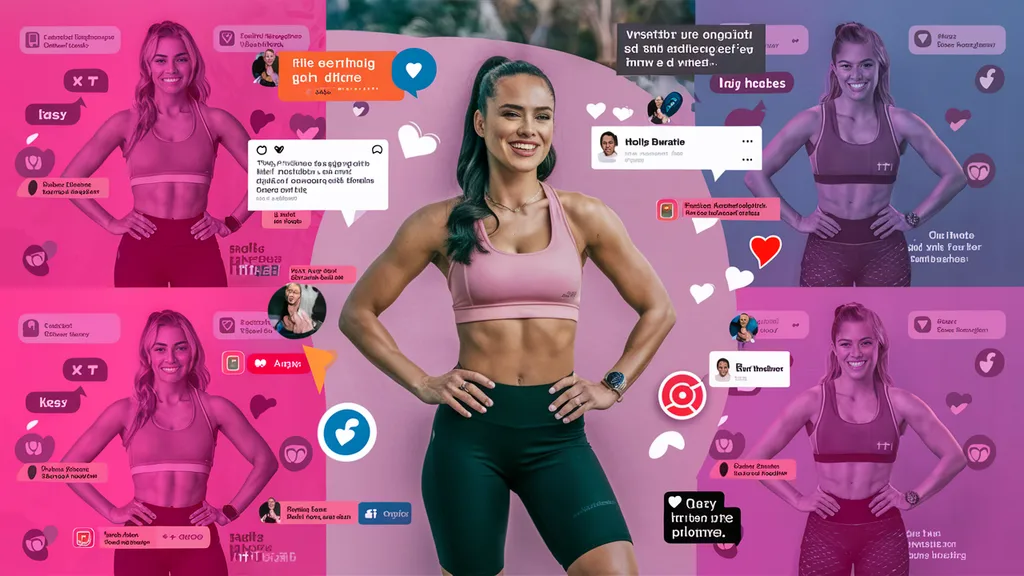
The topic of Holly Braithwaite social media trolls has attracted growing attention as conversations around online abuse, cyberbullying, and digital accountability continue to evolve. Social media has transformed the way individuals communicate, share opinions, and engage with audiences. While these platforms create opportunities for meaningful interaction, they also expose public figures and private individuals to harassment, abusive comments, misinformation, and organized trolling campaigns.
In this article, we explore the discussion surrounding Holly Braithwaite social media trolls, examine how online trolling affects individuals, discuss responsible digital behavior, and provide insights into managing negativity on social media. We also explain the importance of respectful online communication and highlight practical strategies for dealing with internet harassment.
What Are Social Media Trolls?
Social media trolls are individuals who deliberately post inflammatory, offensive, misleading, or provocative comments online with the intention of upsetting others or generating conflict. Their behavior often includes personal attacks, insults, harassment, spreading false information, or provoking emotional reactions rather than engaging in constructive discussion.
Trolling can occur across nearly every major social networking platform, including discussion forums, comment sections, live streams, and private messaging systems. While criticism and disagreement are natural parts of public conversation, trolling typically crosses the line into abusive or disruptive conduct.
The Growing Discussion Around Holly Braithwaite Social Media Trolls
Interest in Holly Braithwaite social media trolls reflects broader public concern about how people are treated online. Whether someone is a public figure, professional, creator, or private individual, internet users increasingly recognize that online harassment can have real-world consequences.
Discussions often focus on:
- Online harassment
- Negative comments
- Cyberbullying
- Digital reputation
- Mental well-being
- Responsible online communication
- Community moderation
- Social media accountability
Rather than encouraging hostility, many conversations emphasize respectful interaction and responsible participation in digital communities.
How Online Trolling Affects Individuals
Online harassment extends far beyond a single negative comment. Continuous trolling may contribute to emotional stress, anxiety, reduced confidence, and reluctance to participate in online discussions.
Common effects include:
- Mental fatigue
- Emotional distress
- Damage to personal reputation
- Loss of confidence
- Reduced social engagement
- Privacy concerns
- Professional challenges
- Fear of public interaction
Many organizations now recognize cyberbullying as a serious issue that deserves attention from communities, employers, educators, and platform administrators.
Why Social Media Encourages Trolling
Several factors contribute to trolling behavior online.
Anonymity
Users sometimes believe anonymous accounts protect them from accountability.
Instant Communication
Social media allows opinions to spread rapidly before facts are verified.
Attention Seeking
Some trolls simply want reactions, engagement, or increased visibility.
Group Behavior
Negative comments can multiply when others join ongoing discussions without verifying information.
Algorithmic Visibility
Highly emotional content often receives more interaction, making controversial discussions appear more frequently.
The Importance of Digital Responsibility
Every social media user plays a role in creating a healthier online environment. Digital responsibility involves treating others respectfully, verifying information before sharing it, and avoiding participation in harassment campaigns.
Good online practices include:
- Respect differing opinions
- Verify information before posting
- Avoid personal attacks
- Report abusive content
- Support constructive discussions
- Protect personal privacy
- Use respectful language
These principles contribute to safer and more productive online communities.
Managing Online Criticism Effectively
Not every negative comment qualifies as trolling. Constructive criticism can provide valuable feedback, while abusive comments often serve no productive purpose.
Effective approaches include:
Ignore Obvious Trolls
Many trolls seek emotional reactions. Avoiding engagement often prevents further escalation.
Use Platform Safety Features
Most social media platforms provide options to block, mute, restrict, or report abusive users.
Maintain Professional Communication
Responding calmly to genuine concerns while avoiding arguments with trolls demonstrates professionalism.
Document Serious Harassment
If abusive behavior becomes persistent or threatening, preserving screenshots and records may be helpful when reporting incidents.
Social Media Platforms and Community Standards
Major platforms have introduced policies intended to reduce harassment and abusive conduct. These generally include moderation systems, reporting tools, automated detection of harmful content, and restrictions on repeat offenders.
Although moderation continues to evolve, users are encouraged to familiarize themselves with platform guidelines and make use of available safety features.
Building Positive Online Communities
Healthy online communities are built through respectful participation and shared responsibility. Individuals can contribute by encouraging thoughtful conversations, supporting others respectfully, and refusing to amplify abusive behavior.
Positive digital communities often demonstrate:
- Respectful discussions
- Evidence-based conversations
- Constructive feedback
- Responsible sharing
- Inclusive participation
- Supportive communication
These practices benefit both individuals and the wider online ecosystem.
Protecting Mental Well-Being in the Digital Age
Managing social media use is increasingly recognized as an important aspect of maintaining well-being. Helpful strategies include setting healthy boundaries, limiting exposure to hostile discussions, curating online feeds, and taking breaks from social platforms when needed.
Many people also benefit from focusing on supportive communities rather than engaging with negative interactions. Seeking support from trusted friends, family members, or professionals may also be appropriate when online harassment causes significant distress.
Lessons from Discussions About Holly Braithwaite Social Media Trolls
The broader conversation surrounding Holly Braithwaite social media trolls highlights several important lessons for all internet users:
- Respect should remain central to online conversations.
- Constructive criticism differs from harassment.
- False information should not be shared without verification.
- Digital responsibility benefits everyone.
- Healthy online communities depend on respectful participation.
- Platform safety tools should be used when abuse occurs.
- Kindness contributes to stronger digital communities.
These lessons extend well beyond any individual case and apply to social media interactions in general.
Best Practices for Safer Social Media Use
Whether someone is a content creator, professional, student, or casual user, adopting positive online habits can improve the overall social media experience.
Recommended practices include:
- Enable privacy settings
- Use strong passwords
- Activate two-factor authentication
- Think before posting
- Avoid engaging with abusive accounts
- Report harassment when necessary
- Support respectful conversations
- Verify sources before sharing information
- Protect personal information
- Promote digital kindness
These habits encourage healthier interactions across all major social platforms.
The Future of Online Accountability
Technology companies continue developing new moderation tools powered by artificial intelligence, improved reporting systems, and stronger community guidelines. At the same time, digital literacy programs are helping users recognize misinformation, harassment, and manipulative online behavior.
As awareness grows, individuals and organizations increasingly recognize that creating respectful digital environments requires cooperation among users, platforms, educators, and policymakers.
Conclusion
The conversation surrounding Holly Braithwaite social media trolls reflects a much larger discussion about online behavior, cyberbullying, and responsible digital communication. While social media provides valuable opportunities for connection and expression, it also presents challenges related to harassment and abusive interactions. By promoting respectful communication, verifying information before sharing it, using platform safety features, and supporting positive online communities, we can all contribute to a healthier digital environment where meaningful conversations flourish and harmful behavior is less likely to spread.
Frequently Asked Questions (FAQ)
Who is Holly Braithwaite?
Holly Braithwaite is a person whose name has appeared in online discussions. Publicly available information may vary, and it is important to rely on verified sources rather than speculation.
What are social media trolls?
Social media trolls are individuals who intentionally post provocative, abusive, or disruptive content to upset others or create conflict.
How should someone respond to online trolls?
The most effective responses often include avoiding unnecessary engagement, using platform reporting tools, blocking abusive accounts, and documenting serious harassment if needed.
Can social media trolling affect mental health?
Yes. Persistent online harassment can contribute to stress, anxiety, emotional distress, and reduced confidence.
How can users create a positive online environment?
Users can promote respectful discussions, verify information before sharing it, avoid personal attacks, report abusive behavior, and support constructive conversations.
Why is digital responsibility important?
Digital responsibility helps reduce misinformation, encourages respectful communication, protects online communities, and creates a safer experience for everyone using social media.

Tozymagazine.com: Complete Guide to Tozy Magazine in 2026

Jeannine Belleguic: Biography, Family, Life, Death, and Public Records in 2026

Poieno: Meaning, Origin, Creative Concept, Uses, and What It Really Means in 2026

Meinhard Schwarzenegger: The Untold Story of Arnold Schwarzenegger’s Older Brother

What Does TB Mean in Text? Complete Meaning, Uses, Examples, and Common Interpretations (2026 Guide)

PushWiki com: A Complete Guide to the Knowledge Platform, Features, and User Experience
 Celebrity3 months ago
Meinhard Schwarzenegger: The Untold Story of Arnold Schwarzenegger’s Older Brother
- Blog3 months ago
What Does TB Mean in Text? Complete Meaning, Uses, Examples, and Common Interpretations (2026 Guide)
- Business3 months ago
PushWiki com: A Complete Guide to the Knowledge Platform, Features, and User Experience
- Business3 months ago
BacktoFrontShow Pricing: Complete Guide to Plans, Features, Value, and Cost in 2026
- Celebrity3 months ago
Karen Mendes: Biography, Career, Achievements, Personal Life, and Lasting Influence
- Blog3 months ago
Arial or Aerial? Understanding the Difference, Correct Usage, Meaning, and Common Mistakes (2026 Guide)
- Blog3 months ago
Busy Things: A Complete Guide to Understanding, Managing, and Making the Most of a Busy Life
- Blog3 months ago
Blog ThriftyEvents.net: The Ultimate 2026 Guide to Budget-Friendly Event Planning, AI-Powered Content Creation