
Food
Best Ensalada Primavera Near Me: The Ultimate 2026 Guide to Finding Fresh Spring Salad

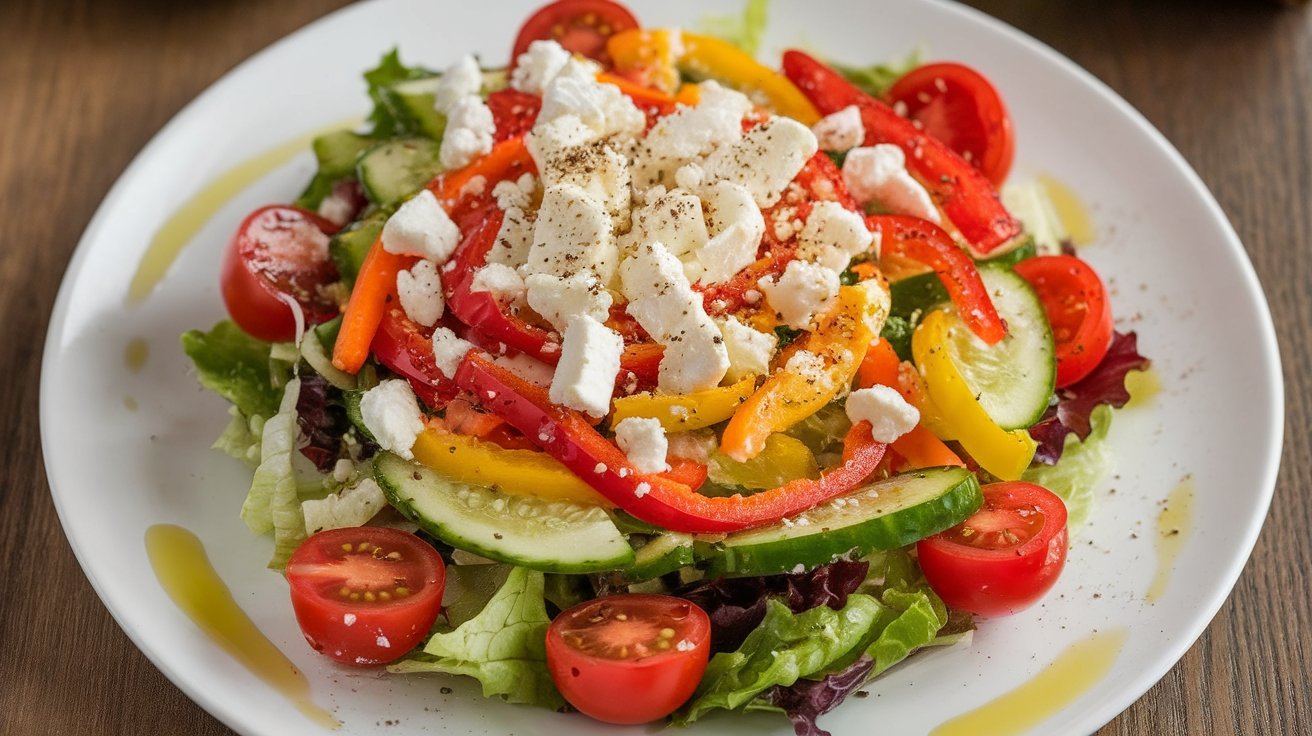
If you’re searching for the best ensalada primavera near me, you’re looking for one of the freshest and most colorful salads available. Ensalada Primavera, which translates to “Spring Salad,” is celebrated for its vibrant mix of crisp vegetables, leafy greens, fresh herbs, and flavorful dressings. In many Latin American countries and Spanish-speaking regions, this salad is a popular appetizer, side dish, or healthy main course that highlights the natural flavors of seasonal produce.
As healthy eating continues to grow in popularity in 2026, Ensalada Primavera has become a staple at Latin American restaurants, cafés, farm-to-table eateries, delis, and catering services. Whether you prefer a classic vegetable version or a protein-packed gourmet variation, this guide will help you discover the freshest and most delicious Ensalada Primavera near you.
What Is Ensalada Primavera?
Ensalada Primavera is a fresh vegetable salad inspired by the colors and ingredients of spring. Although recipes vary by region and restaurant, the foundation remains the same: crisp vegetables, fresh greens, and a light, flavorful dressing.
A traditional Ensalada Primavera often includes:
- Lettuce
- Spinach
- Mixed spring greens
- Tomatoes
- Cucumbers
- Carrots
- Bell peppers
- Red onions
- Sweet corn
- Avocado
- Fresh herbs
- Olive oil
- Lemon or lime juice
Some restaurants also include grilled chicken, shrimp, tuna, cheese, boiled eggs, nuts, seeds, or quinoa to create a more filling meal.
The result is a refreshing salad that combines crisp textures, bright colors, and balanced flavors.
Why Ensalada Primavera Is So Popular in 2026
The demand for wholesome, fresh meals has made Ensalada Primavera a favorite choice for diners seeking nutritious and satisfying food.
Fresh Seasonal Ingredients
One of the biggest attractions of Ensalada Primavera is its use of colorful vegetables harvested at peak freshness.
Healthy and Nutritious
This salad is naturally rich in:
- Vitamins
- Minerals
- Dietary fiber
- Antioxidants
- Healthy fats (when avocado or olive oil is included)
It provides a refreshing meal without feeling heavy.
Highly Customizable
Restaurants often allow guests to personalize their salad by selecting proteins, cheeses, dressings, and additional vegetables.
Suitable for Many Diets
Ensalada Primavera can easily be prepared for vegetarian, vegan, gluten-free, or low-carb diets by adjusting the ingredients.
Where to Find the Best Ensalada Primavera Near Me
Finding high-quality Ensalada Primavera is easier than ever thanks to its widespread popularity.
Latin American Restaurants
Many Latin restaurants prepare fresh Ensalada Primavera daily using traditional recipes and locally sourced vegetables.
Farm-to-Table Restaurants
These establishments emphasize seasonal produce and often serve gourmet versions featuring premium ingredients.
Health-Focused Cafés
Fresh salad bars and wellness cafés frequently include Ensalada Primavera on their menus because of its nutritional value.
Delis and Markets
Prepared-food sections at supermarkets and gourmet delis often offer freshly made spring salads for convenient takeaway meals.
Catering Services
Ensalada Primavera is also a popular choice for weddings, business lunches, family gatherings, and holiday buffets.
How to Identify a High-Quality Ensalada Primavera
Not every salad delivers the same freshness or flavor. A few characteristics can help you identify an exceptional Ensalada Primavera.
Fresh, Crisp Vegetables
Premium salads should contain vegetables that are:
- Brightly colored
- Firm and crisp
- Freshly cut
- Properly chilled
Wilted greens or watery vegetables can reduce overall quality.
Balanced Dressing
A light vinaigrette made with extra virgin olive oil, fresh lemon or lime juice, herbs, and mild seasonings enhances the vegetables without overwhelming them.
Quality Additions
If proteins or cheeses are included, they should be freshly prepared and complement the salad rather than dominate it.
Beautiful Presentation
A well-made Ensalada Primavera is visually appealing, showcasing a colorful assortment of fresh ingredients arranged attractively.
Popular Variations of Ensalada Primavera
Although the traditional vegetable version remains the most popular, many restaurants now offer creative alternatives.
Classic Ensalada Primavera
A mix of lettuce, tomatoes, cucumbers, carrots, peppers, onions, and vinaigrette.
Grilled Chicken Primavera
Tender grilled chicken breast transforms the salad into a complete meal.
Shrimp Primavera
Fresh grilled shrimp adds protein and pairs beautifully with citrus dressing.
Mediterranean Primavera
Includes olives, feta cheese, cucumbers, tomatoes, and oregano for a Mediterranean-inspired flavor.
Avocado Primavera
Creamy avocado enhances texture while adding healthy fats.
Quinoa Primavera
Nutritious quinoa provides additional protein and fiber, making the salad even more satisfying.
Tips for Finding the Best Ensalada Primavera Near You
If you’re searching for the best Ensalada Primavera near me, these practical tips can help you choose the right restaurant.
- Visit restaurants that prepare salads fresh to order.
- Read recent customer reviews highlighting freshness and ingredient quality.
- Look for menus that emphasize seasonal produce.
- Choose establishments using homemade dressings instead of bottled alternatives.
- Ask whether vegetables are sourced locally when available.
- Try different restaurants to compare flavor combinations and presentation.
Best Foods and Drinks to Pair with Ensalada Primavera
Ensalada Primavera pairs well with a wide variety of dishes and beverages.
Popular meal pairings include:
- Grilled salmon
- Roasted chicken
- Lean steak
- Turkey breast
- Vegetable soup
- Whole-grain bread
- Roasted potatoes
- Fresh fruit
Refreshing beverages include:
- Sparkling water
- Fresh lemonade
- Iced tea
- Cucumber water
- Fresh fruit smoothies
These combinations create balanced meals suitable for lunch or dinner.
Why Ensalada Primavera Remains a Favorite Choice
The lasting popularity of Ensalada Primavera comes from its ability to combine freshness, nutrition, and versatility in every serving. Whether enjoyed as a light appetizer or a hearty entrée with added protein, it offers a satisfying balance of crisp vegetables, vibrant flavors, and wholesome ingredients.
As more people embrace healthier eating habits in 2026, restaurants continue to expand their salad offerings with premium ingredients, creative toppings, and house-made dressings. This commitment to quality ensures that Ensalada Primavera remains a timeless favorite for diners seeking delicious and nourishing meals.
Conclusion
Searching for the best Ensalada Primavera near me is an excellent way to enjoy one of the freshest and most nutritious salads available. From authentic Latin American restaurants and farm-to-table cafés to gourmet delis and health-focused eateries, there are countless places serving delicious versions made with premium seasonal ingredients.
Choosing a salad prepared with fresh vegetables, high-quality olive oil, homemade dressing, and optional lean proteins ensures the best dining experience. Whether you prefer the classic recipe or a modern variation with grilled chicken, shrimp, avocado, or quinoa, Ensalada Primavera continues to be one of the healthiest and most flavorful menu choices in 2026.
Frequently Asked Questions (FAQs)
What is Ensalada Primavera?
Ensalada Primavera is a fresh spring-style salad made with leafy greens, colorful vegetables, herbs, and a light vinaigrette. Many versions also include chicken, shrimp, avocado, or cheese.
Where can I find the best Ensalada Primavera near me?
You can find it at Latin American restaurants, farm-to-table eateries, health cafés, gourmet delis, and supermarkets with fresh prepared-food sections.
Is Ensalada Primavera healthy?
Yes. It is typically rich in fiber, vitamins, minerals, and antioxidants, especially when made with fresh vegetables and a light olive oil dressing.
Can Ensalada Primavera be vegetarian or vegan?
Absolutely. The classic vegetable version is vegetarian, and it can easily be made vegan by omitting cheese and using a plant-based dressing if needed.
What protein goes well with Ensalada Primavera?
Popular protein choices include grilled chicken, shrimp, salmon, tuna, turkey, boiled eggs, and quinoa for a hearty and balanced meal.
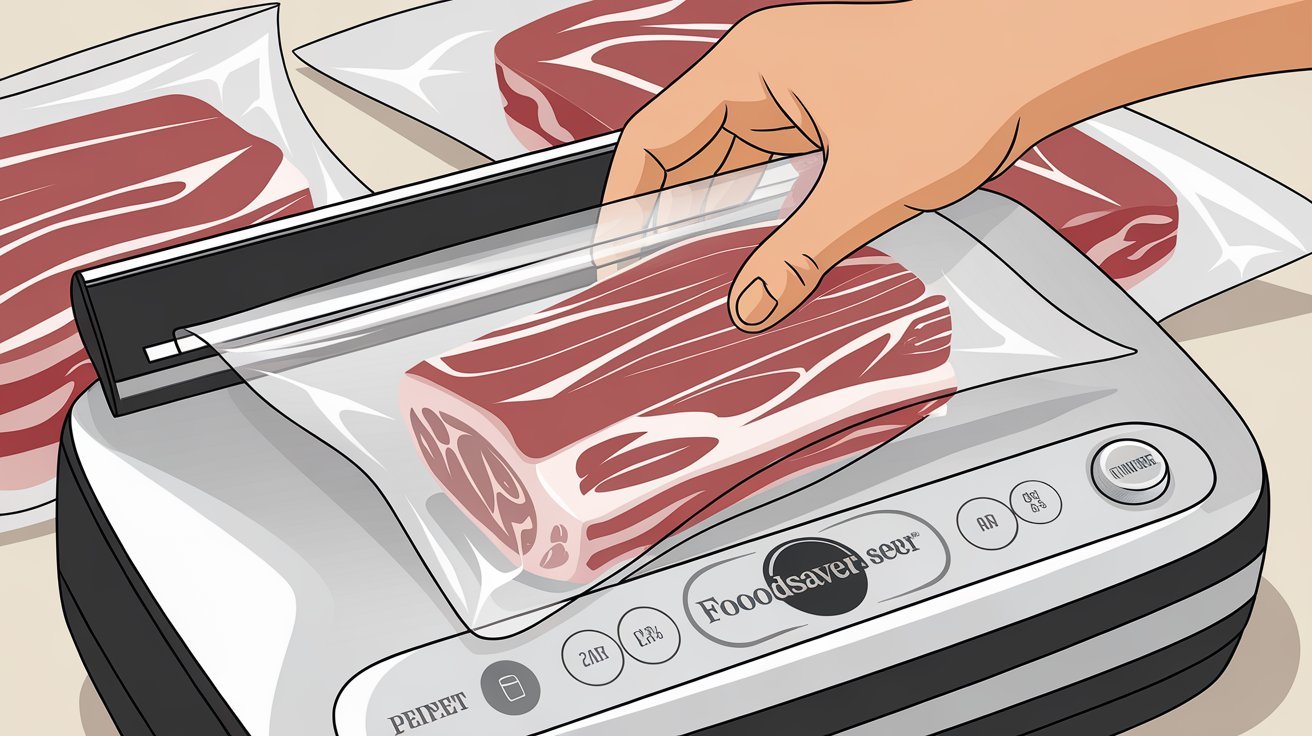
Learning how to use FoodSaver vacuum seal technology can make food storage more organized, reduce freezer burn, and help maintain the quality of many foods for longer. A FoodSaver vacuum sealer removes much of the air from a specially designed bag or container before creating an airtight heat seal. The result is a compact package that provides an additional barrier against air and moisture.
The process is straightforward once we understand how the machine, bags, settings, and food preparation work together. Whether we are preparing meat for the freezer, dividing bulk groceries into portions, storing dry foods, or preparing meals ahead of time, proper technique makes a significant difference. FoodSaver’s current guidance also emphasizes using compatible bags and rolls and choosing the appropriate sealing method for the food being packaged.
How Does a FoodSaver Vacuum Sealer Work?
A FoodSaver vacuum sealer works by drawing air out of a specially designed bag and then heat-sealing the open end. Removing air helps limit exposure to oxygen and can reduce freezer burn and quality loss caused by prolonged air exposure. However, vacuum sealing does not turn perishable food into shelf-stable food. Foods that normally require refrigeration or freezing should continue to be refrigerated or frozen after sealing.
FoodSaver bags are specifically constructed for vacuum sealing. Their textured or embossed surface helps the machine remove air effectively, while the sealing layers create a durable barrier. FoodSaver recommends using its compatible bags and rolls for vacuum packaging rather than ordinary plastic storage bags.
Before starting, we should have the FoodSaver appliance, compatible bag or roll, scissors or the built-in cutter if available, and properly prepared food. The food should also be portioned according to how we expect to use it later. Smaller portions are often easier to store, thaw, and reseal.
How to Use FoodSaver Bags Step by Step
The simplest way to use a FoodSaver is with a pre-made vacuum-seal bag. First, we place the food inside the bag while leaving enough empty space at the open end for the machine to create a reliable seal. Keeping the sealing area clean and dry is particularly important.
Next, we position the open end of the bag in the machine’s vacuum channel or designated sealing area, depending on the model. The embossed or rough side should generally be positioned according to the appliance instructions; FoodSaver’s guidance specifies placing the embossed side down for compatible systems.
We then close or lock the appliance and select the appropriate function. For ordinary dry foods, Dry mode is normally the default. For foods containing moisture, we should use the machine’s Moist setting when available. FoodSaver explains that the Moist setting adjusts the sealing process to help create a secure seal when moisture is present.
After starting the vacuum process, the machine removes air from the bag. Once sufficient air has been removed, many models automatically begin sealing. Some machines also allow us to press the Seal button manually. When the cycle is complete, we should inspect the seal before storing the package.
A strong seal should be continuous, flat, and free of obvious wrinkles, food particles, or liquid across the sealing area.
How to Make FoodSaver Bags From a Roll
Using a FoodSaver roll gives us more flexibility because we can create bags according to the size of the food. This is especially useful for large portions, unusual shapes, or bulk food.
We begin by cutting a section of the roll large enough to hold the food while leaving sufficient room for sealing. One end must first be heat-sealed to create the bottom of the bag. After that seal has been created, we place the food inside the newly formed bag.
We should avoid filling the bag too tightly. Adequate empty space at the open end is necessary for proper positioning and sealing. FoodSaver specifically recommends leaving space at the top of the bag and ensuring that the material is positioned correctly in the appliance.
Once the food is inside, we smooth the bag around the contents without stretching it excessively. The open end is then placed in the vacuum channel, followed by the vacuum-and-seal cycle.
Making bags from rolls is particularly convenient for meat portions, vegetables, prepared meals, cheese, and bulk purchases because each package can be customized rather than relying on a fixed bag size.
How to Vacuum Seal Moist Foods and Liquids
Moist foods require more care because liquids can travel toward the sealing area during vacuuming. If liquid reaches the seal, it may interfere with the heat-sealing process.
For foods containing some moisture, such as marinated meat or damp ingredients, we should use the Moist setting when our model provides one. FoodSaver recommends keeping the inside walls near the sealing area as clean and dry as possible.
For very wet foods, we can take additional precautions. Chilling or partially freezing liquid-heavy foods before vacuum sealing can help keep the liquid from moving rapidly toward the sealing area. We should also avoid overfilling the bag.
When working with sauces, soups, or other liquids, we should follow the instructions for our specific FoodSaver model because liquid-handling capabilities differ between machines. Some newer systems are specifically designed for liquid sealing, while traditional models may require different techniques.
FoodSaver’s liquid guidance recommends controlling the amount of liquid placed in the bag and keeping the upper interior portion of the bag as clean as possible.
What Foods Can We Vacuum Seal With FoodSaver?
A FoodSaver can be useful for many foods, including meat, fish, hard cheeses, vegetables, dry foods, snacks, coffee, and prepared meals. We can also use compatible containers and accessories for foods that should not be compressed.
Delicate foods require special attention. Bread, pastries, cookies, chips, and similar items can be crushed when subjected to strong vacuum pressure. Some FoodSaver models provide Pulse Vac or CrushFree-style functions that allow us to control the amount of air removed. FoodSaver also recommends using containers for certain soft or airy baked goods so they retain their shape.
For vegetables, preparation can also matter. FoodSaver recommends blanching certain vegetables, such as green beans and broccoli, before vacuum sealing and freezing.
Some foods should not simply be vacuum sealed without considering food-safety requirements. Vacuum packaging changes the atmosphere around the food, so we should continue following appropriate refrigeration, freezing, cooking, and storage practices.
Common FoodSaver Problems and How to Fix Them
One of the most common problems is a bag that loses its vacuum after sealing. We should inspect the seal for wrinkles, food residue, grease, or moisture. FoodSaver notes that a wrinkle along the seal can allow air to re-enter, while food particles or liquids can prevent a proper seal.
If the bag has a puncture, especially after packaging foods with sharp bones or edges, the vacuum can also disappear. In that situation, we should transfer the food to a new bag and protect sharp edges when necessary.
If the machine runs but does not remove air effectively, we should check that the bag is correctly positioned, the opening has enough space, and the gaskets are clean and properly seated. FoodSaver also recommends checking for damaged bags and ensuring the sealing area is free of wrinkles.
Another common issue is overheating. If the sealing strip becomes too hot, the bag can melt. FoodSaver advises waiting between sealing cycles so the appliance has time to cool.
Regular cleaning is equally important. Removable drip trays should be emptied and cleaned when necessary, particularly after sealing moist foods. Keeping the sealing components clean helps maintain consistent performance.
Best FoodSaver Vacuum-Sealing Tips for 2026
For consistently good results, we should follow a few simple habits. Keep the sealing area clean, leave adequate space at the top of every bag, and select Dry or Moist mode according to the food. We should inspect every completed seal before placing the package into long-term storage.
For freezer storage, we should label each package with the food name and date. This makes it easier to organize meals and use older packages first. Portioning food before sealing can also save time because we can thaw only the amount needed.
We should use containers for delicate foods that could be crushed, and we should consider pre-freezing particularly wet foods before vacuum sealing when appropriate for the recipe and appliance. We should never assume that vacuum sealing eliminates the need for safe refrigeration or freezing.
Finally, we should consult the manual for our exact FoodSaver model, because button layouts, automatic sensing, liquid functions, accessories, and sealing procedures can vary significantly among models. FoodSaver maintains model-specific manuals and quick-start guides covering many current and older systems.
Conclusion: How to Use FoodSaver Vacuum Seal Successfully
Knowing how to use FoodSaver vacuum seal technology comes down to a few essential principles: prepare the food correctly, use compatible bags or rolls, leave enough sealing space, position the bag properly, select the appropriate setting, and check the finished seal.
For dry foods, the process is usually simple. Moist foods require more attention because liquid can interfere with sealing, while delicate foods may benefit from controlled vacuuming or a suitable container. Proper cleaning and cooling between sealing cycles can also improve reliability.
Used correctly, a FoodSaver system can become a practical part of everyday meal preparation, freezer organization, bulk-food storage, and food-waste reduction. By combining proper vacuum-sealing technique with appropriate food-storage practices, we can get more consistent results and make better use of the food we already have.
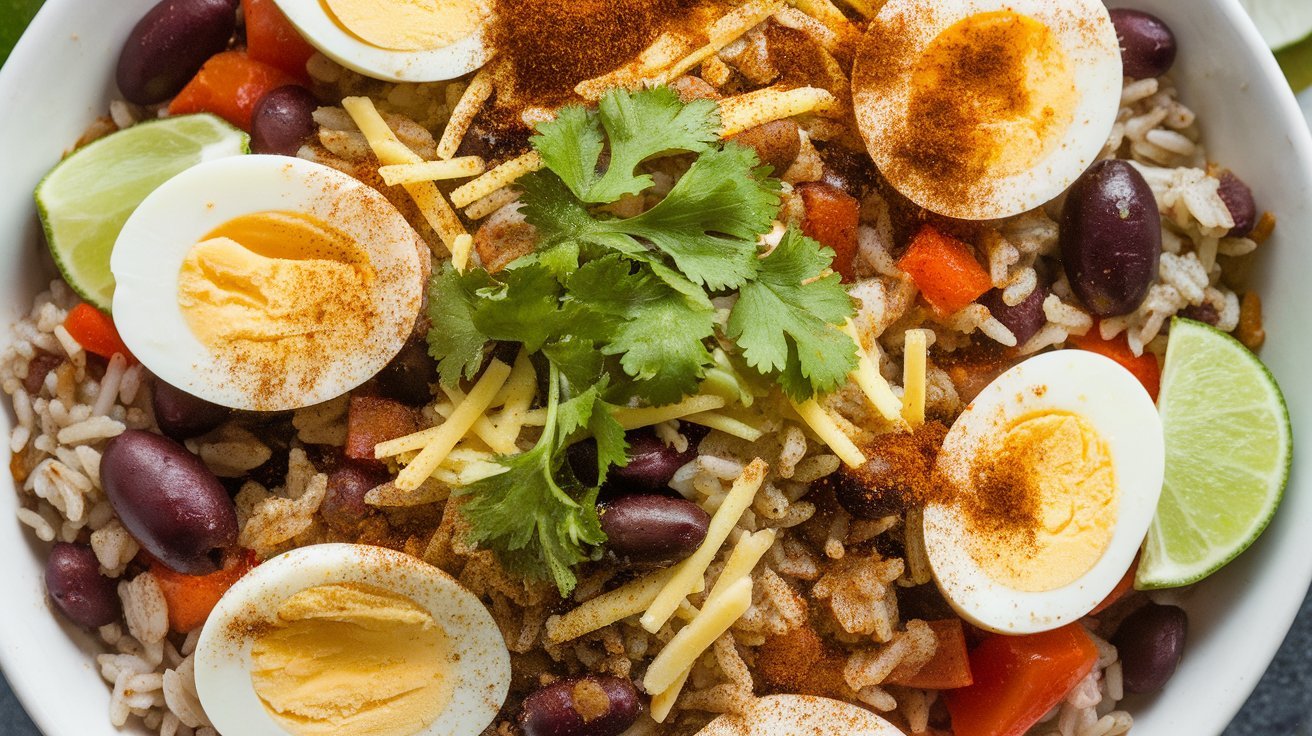
If you’ve recently searched for “best ensalada de arroz near me,” you’re not alone. This flavorful and versatile dish has become increasingly popular among food lovers looking for a healthy, satisfying, and refreshing meal. Whether served as a side dish, a light lunch, or part of a larger family gathering, ensalada de arroz offers the perfect combination of fresh vegetables, rice, herbs, and vibrant flavors.
In 2026, restaurants, Latin American eateries, Spanish cafés, and international food markets continue to introduce their own unique versions of this classic rice salad. This guide covers everything you need to know about finding the best ensalada de arroz near you, including its origins, ingredients, health benefits, and what makes an authentic version truly exceptional.
What Is Ensalada de Arroz?
Ensalada de arroz, which translates to rice salad, is a popular dish found throughout Spain, Latin America, and many Mediterranean-influenced cuisines. The recipe typically combines cooked rice with vegetables, herbs, proteins, and dressings to create a refreshing and balanced meal.
While recipes vary by region, common ingredients include:
- White or brown rice
- Tomatoes
- Corn
- Peas
- Bell peppers
- Onions
- Olives
- Tuna
- Chicken
- Fresh herbs
- Olive oil
- Lemon juice
The dish is prized for its adaptability, allowing chefs and home cooks to customize ingredients according to local traditions and personal preferences.
Because it can be served chilled, ensalada de arroz is especially popular during warmer months and at outdoor gatherings.
Why Ensalada de Arroz Is So Popular in 2026
The demand for healthier, nutrient-rich meals continues to grow, and ensalada de arroz perfectly aligns with modern dining preferences.
Healthy and Balanced
The dish often contains a mix of:
- Complex carbohydrates
- Vegetables
- Lean proteins
- Healthy fats
This balance makes it an appealing option for individuals seeking nutritious meals without sacrificing flavor.
Versatile and Customizable
Whether you prefer vegetarian, seafood-based, or protein-rich versions, rice salad can easily accommodate different dietary preferences.
Perfect for Meal Prep
Many people enjoy ensalada de arroz because it stores well and maintains its flavor when prepared in advance.
Refreshing and Filling
Unlike heavier dishes, rice salad provides satisfying texture while remaining light and refreshing.
How to Find the Best Ensalada de Arroz Near Me
Finding exceptional ensalada de arroz requires knowing where to look.
Latin American Restaurants
Many Latin American establishments serve rice salad as a traditional side dish or lunch option.
Spanish Restaurants
Spanish cafés and tapas restaurants frequently include rice-based salads on their menus, particularly during warmer seasons.
Mediterranean Eateries
Mediterranean cuisine shares many ingredients with ensalada de arroz, making these restaurants excellent places to find high-quality versions.
Local Delis and Cafés
Fresh prepared salads are often available in specialty delis and health-conscious cafés.
Food Delivery Platforms
Modern food delivery services make it easier than ever to locate highly rated rice salad dishes near your location.
Customer reviews can provide valuable insight into freshness, portion size, and ingredient quality.
What Makes an Authentic Ensalada de Arroz Exceptional?
Not all rice salads deliver the same experience. The best versions share several important characteristics.
Perfectly Cooked Rice
The rice should be:
- Light and fluffy
- Properly cooled
- Separate rather than sticky
Overcooked rice can negatively affect the texture of the dish.
Fresh Ingredients
Premium vegetables make a noticeable difference. Fresh tomatoes, crisp peppers, sweet corn, and quality herbs enhance both flavor and appearance.
Balanced Dressing
The dressing should complement rather than overpower the ingredients. Olive oil, citrus juice, and mild seasonings often create the ideal balance.
Proper Ingredient Distribution
Every bite should contain a combination of rice, vegetables, and seasonings rather than large concentrations of a single ingredient.
Appealing Presentation
A colorful presentation often reflects the freshness and quality of the ingredients used.
Popular Types of Ensalada de Arroz You Should Try
When searching for the best rice salad nearby, you’ll likely encounter several regional variations.
Spanish Ensalada de Arroz
Traditional Spanish versions often include:
- Tuna
- Olives
- Peppers
- Tomatoes
- Olive oil dressing
Mexican Rice Salad
Mexican-inspired recipes may feature:
- Corn
- Cilantro
- Lime juice
- Jalapeños
- Black beans
Caribbean Rice Salad
Caribbean versions frequently incorporate tropical flavors and colorful vegetables.
Mediterranean Rice Salad
Mediterranean-style recipes often include:
- Feta cheese
- Cucumbers
- Olives
- Parsley
- Lemon dressing
Protein-Rich Variations
Many modern restaurants offer rice salads with:
- Grilled chicken
- Shrimp
- Tuna
- Salmon
- Plant-based proteins
These versions transform a side dish into a complete meal.
Health Benefits of Ensalada de Arroz
One reason for the growing popularity of ensalada de arroz is its impressive nutritional profile.
Rich in Nutrients
Vegetables contribute essential vitamins and minerals that support overall health.
Good Source of Energy
Rice provides carbohydrates that help fuel daily activities.
Supports Balanced Eating
Combining grains, vegetables, and protein creates a well-rounded meal.
Heart-Friendly Ingredients
Many recipes include olive oil and fresh produce associated with heart-healthy diets.
Suitable for Various Diets
Depending on preparation, rice salad can be:
- Vegetarian
- Vegan
- Gluten-free
- Dairy-free
Its flexibility makes it accessible to a wide range of diners.
How to Choose the Best Restaurant for Ensalada de Arroz
If several local restaurants offer rice salad, consider these factors when making your choice.
Read Customer Reviews
Look for comments mentioning:
- Freshness
- Flavor balance
- Ingredient quality
- Portion size
- Consistency
Check Ingredient Transparency
Restaurants that clearly describe ingredients often demonstrate greater attention to quality.
Prioritize Fresh Preparation
Freshly prepared salads generally offer better flavor and texture than pre-packaged alternatives.
Explore Specialty Cuisine
Restaurants specializing in Spanish, Latin American, or Mediterranean cuisine often provide the most authentic experiences.
Consider Value
A quality rice salad should offer generous portions and fresh ingredients at a reasonable price.
Can You Make Ensalada de Arroz at Home?
Absolutely. Many people enjoy preparing homemade rice salad because it is simple, affordable, and highly customizable.
Basic ingredients include:
- Cooked rice
- Tomatoes
- Corn
- Bell peppers
- Olive oil
- Lemon juice
- Fresh herbs
Additional proteins or vegetables can be added according to personal preferences.
Homemade versions allow complete control over seasoning, portion size, and nutritional content while preserving the fresh flavors that make the dish so appealing.
Conclusion
Searching for the best ensalada de arroz near me can lead to a variety of delicious culinary discoveries. This versatile rice salad continues to gain popularity in 2026 thanks to its combination of fresh ingredients, balanced nutrition, and refreshing flavor.
Whether you choose a traditional Spanish recipe, a Latin American variation, or a modern gourmet interpretation, the finest ensalada de arroz combines perfectly cooked rice, vibrant vegetables, quality ingredients, and a well-balanced dressing.
From neighborhood cafés to specialty restaurants and food delivery services, excellent rice salad options are easier than ever to find. With its versatility, nutritional benefits, and satisfying taste, ensalada de arroz remains one of the most enjoyable and practical dishes available today.
Frequently Asked Questions
What is ensalada de arroz?
Ensalada de arroz is a rice salad made with cooked rice, vegetables, herbs, and often proteins such as tuna or chicken.
Is ensalada de arroz healthy?
Yes. It often contains vegetables, healthy fats, lean proteins, and complex carbohydrates.
Where can I find the best ensalada de arroz near me?
Look for Spanish restaurants, Latin American eateries, Mediterranean cafés, specialty delis, and food delivery platforms.
Can ensalada de arroz be vegetarian?
Absolutely. Many recipes contain only rice, vegetables, herbs, and dressing.
Is rice salad served hot or cold?
Most versions are served chilled or at room temperature.
Can I make ensalada de arroz at home?
Yes. The dish is simple to prepare and can be customized with your favorite vegetables, proteins, and seasonings.
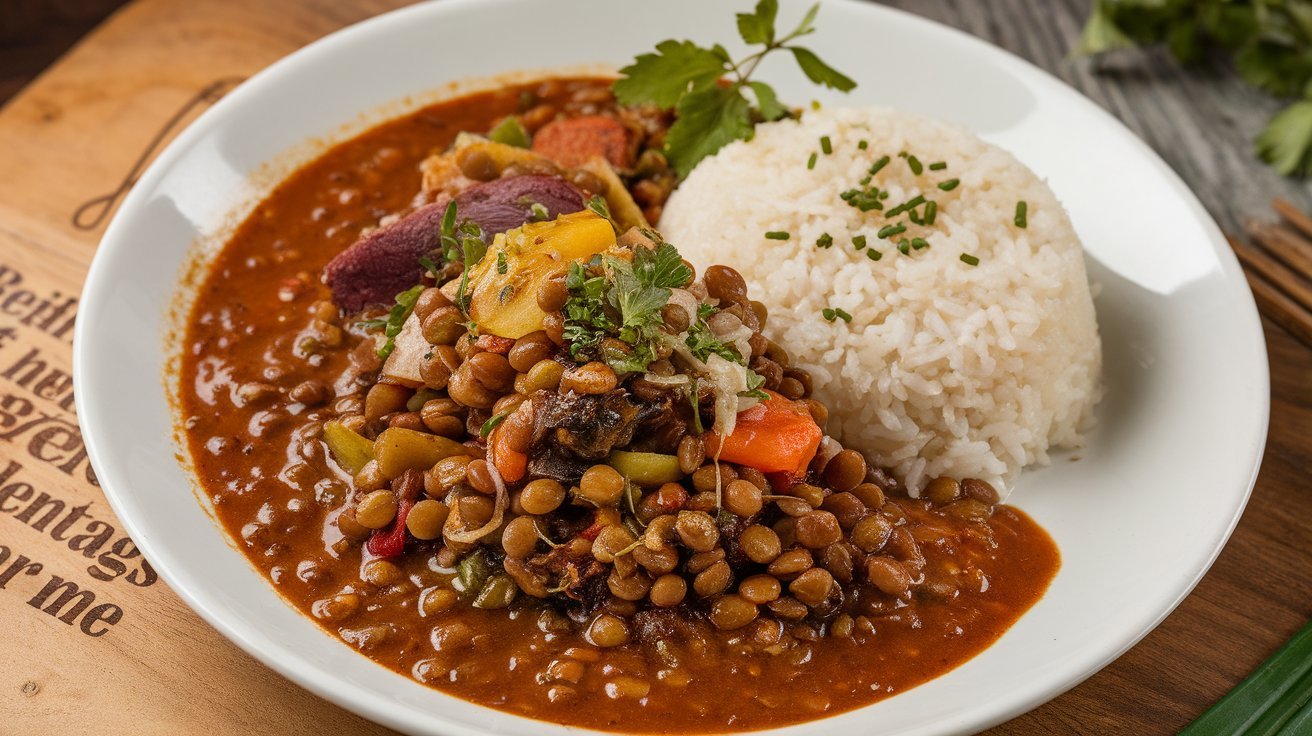
If you’ve been searching for the “best guiso de lentejas near me,” you’re looking for one of the most comforting and flavorful traditional dishes found in Spanish and Latin American cuisine. Guiso de lentejas, or lentil stew, is a hearty meal prepared with lentils, vegetables, aromatic herbs, and a variety of seasonings. Depending on the region and recipe, it may also include meats such as chorizo, beef, bacon, or chicken, while vegetarian versions remain equally popular.
As comfort food continues to gain popularity in 2026, guiso de lentejas has become a favorite for diners who appreciate nutritious, homemade meals rich in flavor and tradition. Whether you’re dining at a local Spanish restaurant, Latin American eatery, family-owned café, or preparing it at home, this guide explains what makes a great lentil stew, where to find it, and what to expect from an authentic serving.
What Is Guiso de Lentejas?
Guiso de lentejas is a traditional lentil stew enjoyed in many Spanish-speaking countries, including Spain, Argentina, Uruguay, Chile, Mexico, and several Latin American regions. Although recipes vary by location and family tradition, the dish is known for combining wholesome ingredients into a warm, satisfying meal.
Common ingredients include:
- Brown or green lentils
- Onions
- Garlic
- Carrots
- Potatoes
- Bell peppers
- Tomatoes or tomato paste
- Olive oil
- Bay leaves
- Paprika
- Black pepper
- Fresh herbs
Many recipes also include:
- Chorizo
- Beef
- Bacon
- Ham
- Chicken
Vegetarian and vegan versions substitute meat with additional vegetables and legumes while maintaining the dish’s rich flavor.
Why Guiso de Lentejas Is So Popular in 2026
Traditional comfort foods continue to attract diners seeking nutritious meals made from simple, wholesome ingredients.
Rich in Nutrition
Lentils provide:
- Plant-based protein
- Dietary fiber
- Iron
- Folate
- Potassium
- Complex carbohydrates
Combined with vegetables, guiso de lentejas creates a balanced and filling meal.
Comforting and Satisfying
Its slow-cooked ingredients produce a rich broth and hearty texture that’s especially enjoyable during cooler seasons, though many people enjoy it year-round.
Affordable and Filling
Lentils are an economical ingredient, making this dish a popular choice for families and restaurants alike.
Where to Find the Best Guiso de Lentejas Near You
Searching for “best guiso de lentejas near me” can lead to several types of restaurants known for serving traditional homemade dishes.
Spanish Restaurants
Authentic Spanish restaurants often prepare lentil stew using regional recipes with olive oil, vegetables, smoked paprika, and cured meats.
Latin American Restaurants
Restaurants specializing in Argentine, Uruguayan, Chilean, Mexican, or other Latin American cuisines frequently feature guiso de lentejas, especially during colder months.
Family-Owned Cafés
Local family-run restaurants often prepare lentil stew using recipes passed down through generations, offering a homemade dining experience.
Specialty Food Markets
Some Latin grocery stores and prepared-food markets sell freshly made lentil stew for takeout.
What Makes an Excellent Guiso de Lentejas?
Although every recipe has its own character, outstanding lentil stew usually shares several qualities.
Perfectly Cooked Lentils
The lentils should be tender while maintaining their shape rather than becoming overly mushy.
Flavorful Broth
A well-developed broth balances vegetables, herbs, spices, and optional meats without overwhelming the natural taste of the lentils.
Fresh Ingredients
High-quality onions, carrots, potatoes, garlic, tomatoes, and herbs contribute significantly to the stew’s flavor.
Balanced Seasoning
Traditional recipes often rely on paprika, bay leaves, black pepper, cumin, and fresh herbs to create warmth and depth without excessive heat.
Health Benefits of Guiso de Lentejas
One reason this dish remains popular is its impressive nutritional value.
High in Fiber
Lentils support digestive health and help promote lasting fullness.
Excellent Source of Protein
Plant-based protein makes lentils a satisfying ingredient for vegetarians, while meat additions increase protein further in traditional recipes.
Rich in Vitamins and Minerals
The vegetables provide important nutrients, including vitamin A, vitamin C, potassium, and antioxidants.
Supports Balanced Eating
When prepared with moderate amounts of healthy fats and plenty of vegetables, guiso de lentejas fits well into a balanced dietary pattern.
Tips for Finding the Best Restaurant
Not every lentil stew tastes the same. Consider these tips when choosing where to eat.
Read Customer Reviews
Look for comments mentioning authentic flavor, fresh ingredients, generous portions, and homemade preparation.
Check the Menu
Restaurants specializing in traditional Spanish or Latin American cuisine often prepare more authentic versions.
Ask About Daily Specials
Many restaurants feature guiso de lentejas as a seasonal or daily special rather than keeping it on the regular menu.
Consider Homemade Preparation
Family-owned establishments frequently prepare recipes using traditional cooking methods that enhance flavor.
Can You Make Guiso de Lentejas at Home?
Absolutely. Preparing lentil stew at home allows you to customize ingredients according to your preferences.
Basic preparation includes:
- Sauté onions, garlic, and vegetables in olive oil.
- Add lentils, tomatoes, herbs, and spices.
- Pour in broth or water.
- Simmer until the lentils become tender.
- Add cooked meats if desired.
- Serve with crusty bread or rice.
Homemade guiso de lentejas stores well and often tastes even better the following day as the flavors continue to develop.
Conclusion
Searching for the “best guiso de lentejas near me” is an excellent way to discover one of the most beloved comfort foods in Spanish and Latin American cuisine. Combining lentils, fresh vegetables, aromatic herbs, and optional meats, this traditional stew offers outstanding flavor, nutrition, and satisfaction in every bowl.
Whether enjoyed at an authentic Spanish restaurant, a neighborhood Latin American café, or prepared in your own kitchen, guiso de lentejas remains a timeless meal that brings warmth, nourishment, and tradition to the table. Its wholesome ingredients, versatility, and rich cultural heritage ensure that it will continue to be a favorite choice for food lovers throughout 2026 and beyond.
Frequently Asked Questions (FAQ)
What is guiso de lentejas?
Guiso de lentejas is a traditional Spanish and Latin American lentil stew made with lentils, vegetables, herbs, and sometimes meats such as chorizo, beef, bacon, or chicken.
Is guiso de lentejas healthy?
Yes. It is typically high in fiber, plant-based protein, vitamins, minerals, and complex carbohydrates, making it a nutritious meal.
Is there a vegetarian version?
Yes. Many recipes omit meat and use additional vegetables, legumes, and seasonings to create a flavorful vegetarian or vegan lentil stew.
Where can I find authentic guiso de lentejas near me?
Look for Spanish restaurants, Latin American eateries, family-owned cafés, or specialty markets that serve traditional homemade dishes.
What is traditionally served with guiso de lentejas?
It is commonly served with crusty bread, white rice, fresh salad, or pickled vegetables, depending on regional traditions and personal preference.

Tozymagazine.com: Complete Guide to Tozy Magazine in 2026

Jeannine Belleguic: Biography, Family, Life, Death, and Public Records in 2026

Poieno: Meaning, Origin, Creative Concept, Uses, and What It Really Means in 2026

Meinhard Schwarzenegger: The Untold Story of Arnold Schwarzenegger’s Older Brother

What Does TB Mean in Text? Complete Meaning, Uses, Examples, and Common Interpretations (2026 Guide)

PushWiki com: A Complete Guide to the Knowledge Platform, Features, and User Experience
 Celebrity3 months ago
Meinhard Schwarzenegger: The Untold Story of Arnold Schwarzenegger’s Older Brother
- Blog3 months ago
What Does TB Mean in Text? Complete Meaning, Uses, Examples, and Common Interpretations (2026 Guide)
- Business3 months ago
PushWiki com: A Complete Guide to the Knowledge Platform, Features, and User Experience
- Business3 months ago
BacktoFrontShow Pricing: Complete Guide to Plans, Features, Value, and Cost in 2026
- Celebrity3 months ago
Karen Mendes: Biography, Career, Achievements, Personal Life, and Lasting Influence
- Blog3 months ago
Arial or Aerial? Understanding the Difference, Correct Usage, Meaning, and Common Mistakes (2026 Guide)
- Blog3 months ago
Busy Things: A Complete Guide to Understanding, Managing, and Making the Most of a Busy Life
- Blog3 months ago
The #ThriftyEvents.net: The Complete 2026 Guide to Budget Event Planning, AI Content Creation, and Smart Digital Workflows